Mountain · United States
Mauna Kea
Mauna Kea is a giant shield volcano on Hawai'i's Big Island, rising 4,207 metres above the sea. But measured from its true base on the ocean floor, it is the tallest mountain on Earth.
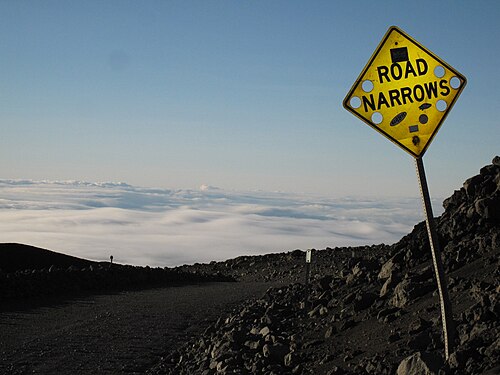
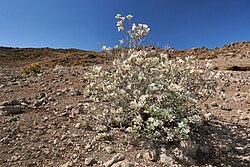
Picture credit: Kevin R Foote (CC BY-SA 3.0) · mail_collector (CC BY 2.0) · Wasif Malik (CC BY 2.0) · Wikimedia Commons
Where is Mauna Kea?
Mauna Kea is part of the Hawaiian volcanic chain.
You will find it in: United States.
Summit: 19.821° N, 155.468° W
The story behind it
Mauna Kea grew slowly over roughly a million years as a hotspot deep in the Earth's mantle pumped out lava that piled up layer after layer, building a gently sloped shield shape rather than a sharp peak. Native Hawaiians consider the summit deeply sacred, believed to be the meeting point of Sky Father and Earth Mother, traditionally reserved for the highest chiefs and priests. Because of its dry air and dark skies, the summit today hosts some of the world's most powerful telescopes, run by astronomers from many countries, which has led to real tension between science and Hawaiian tradition. Here's the astonishing fact: measured from where it actually begins, on the seafloor roughly 6,000 metres below the waves, Mauna Kea stands over 10,000 metres tall in total, taller than Mount Everest, even though most of it is hidden underwater.
Find it on the globe
Mauna Kea is there as a small peak with its own shape — a horn, a ridge, a volcano — standing on the surface. From far away the planet is only a blue ball; detail arrives as you zoom in, and this one appears once you are close enough. Open it on the globe.
It sits at its real coordinates, not near them — the same numbers listed in the facts above. Switch off the layer for this kind of place and it disappears again; the buttons for that are down the right-hand edge.
Questions children ask
How tall is Mauna Kea?
Mauna Kea rises 4,207 metres above sea level, but measured from its base on the ocean floor, it totals over 10,000 metres, taller than Mount Everest.
Where is Mauna Kea?
Mauna Kea is on the Big Island of Hawai'i, in the central Pacific Ocean, part of the United States, sharing the island with the active volcano Mauna Loa.
Why are there telescopes on top of Mauna Kea?
Its high, dry, dark summit sits above most clouds and light pollution, giving astronomers an unusually clear view of the night sky, though this use is controversial to many Native Hawaiians.
Where these numbers come from
Every figure on this page was checked against public reference sources before publication. Where sources genuinely disagree, the text says so.
Last checked: